
Choosing the Right Stainless Steel Worktops for Your Kitchen
Guide to thickness grades, finishes, and installation considerations. We've covered what actually matters when selecting work surfaces.
What you actually need versus what's nice to have. We've looked at budgets, space, and what most kitchens can't function without.
Editorial Team
Written by the quantmoor Editorial Team, focused on practical guidance for commercial kitchen equipment and wholesale sourcing.
This guide provides educational information about catering equipment for new kitchen operations. Equipment choices depend on your specific menu, space constraints, and budget. We recommend consulting with suppliers and experienced kitchen managers to tailor recommendations to your particular setup. Safety standards and health codes vary by location — always verify compliance with local regulations before purchasing equipment.
Starting a catering operation can feel overwhelming. There's so much to buy, and equipment costs add up quickly. The trick is figuring out what you genuinely need versus what can wait. We've put together this guide based on real kitchen requirements — the stuff that actually matters on day one.
Most kitchens can't function without reliable cooking surfaces, proper storage, and basic prep equipment. You'll want to invest in quality here because these pieces work every single day. Everything else? You can add it gradually as your business grows and your menu expands.
The short version: Focus on cooking, storage, and prep first. Get reliable equipment in these three areas, and you'll cover 80% of your needs.
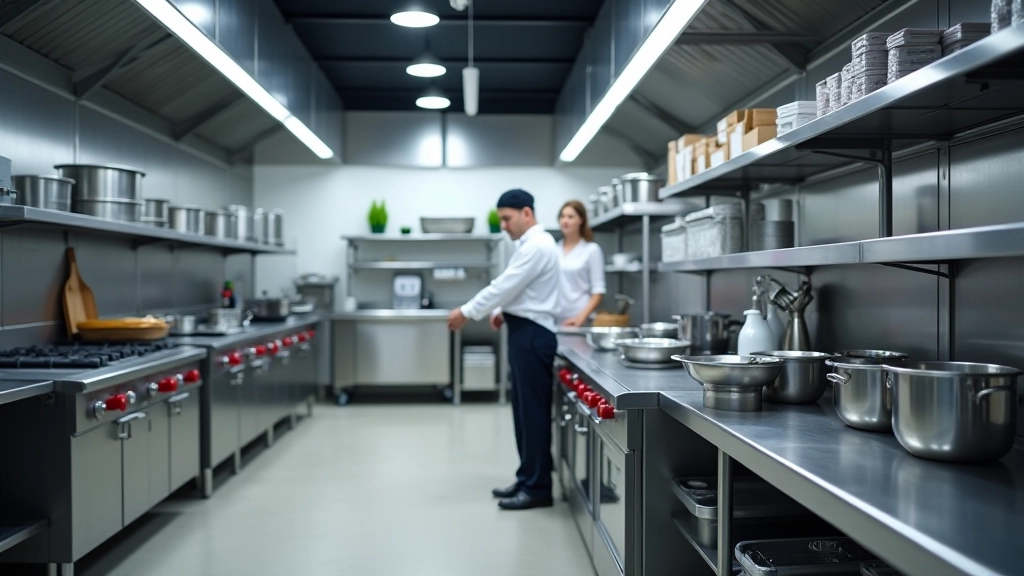
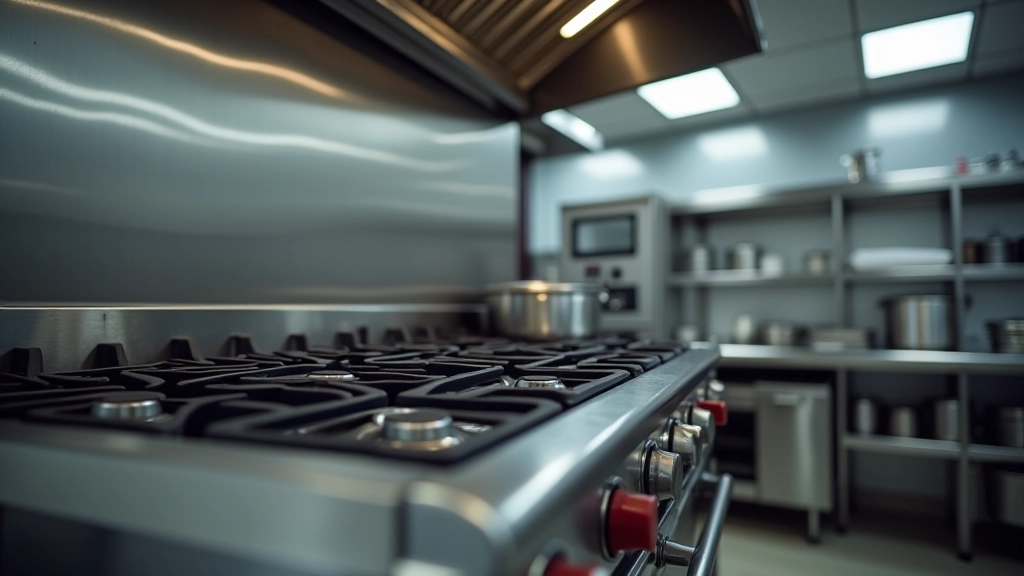
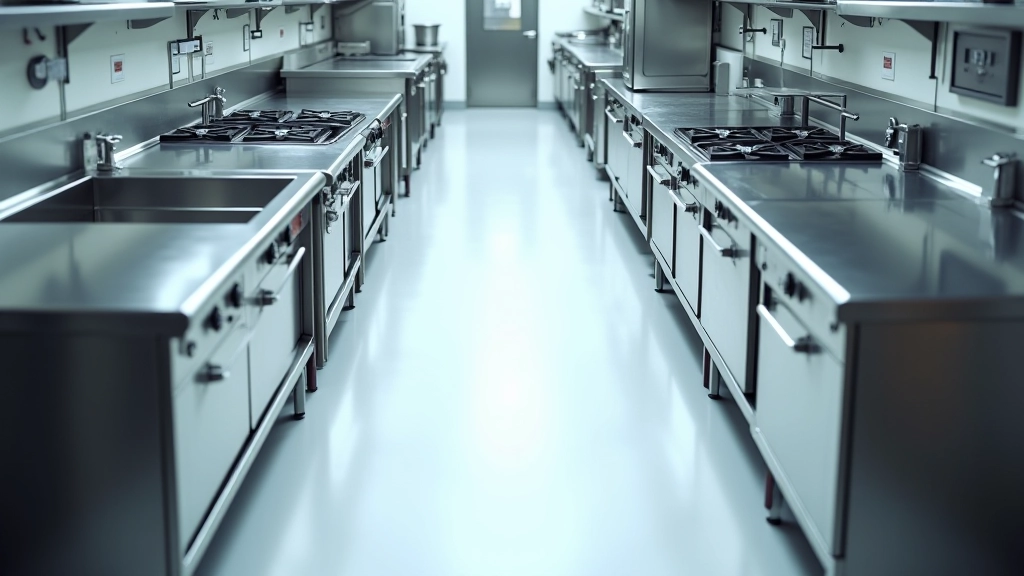
A reliable range or cooktop is non-negotiable. You'll use this piece more than anything else in your kitchen, sometimes for 10+ hours a day. Don't skimp here — a budget range might save you £500 upfront, but it'll cost you in repairs and downtime.
Look for heavy-duty stainless steel construction. A six-burner range with convection oven covers most catering operations. If your menu's heavier on grilling or frying, you might want a separate fryer or griddle — but that can wait. Start with the range that fits your primary cooking method.
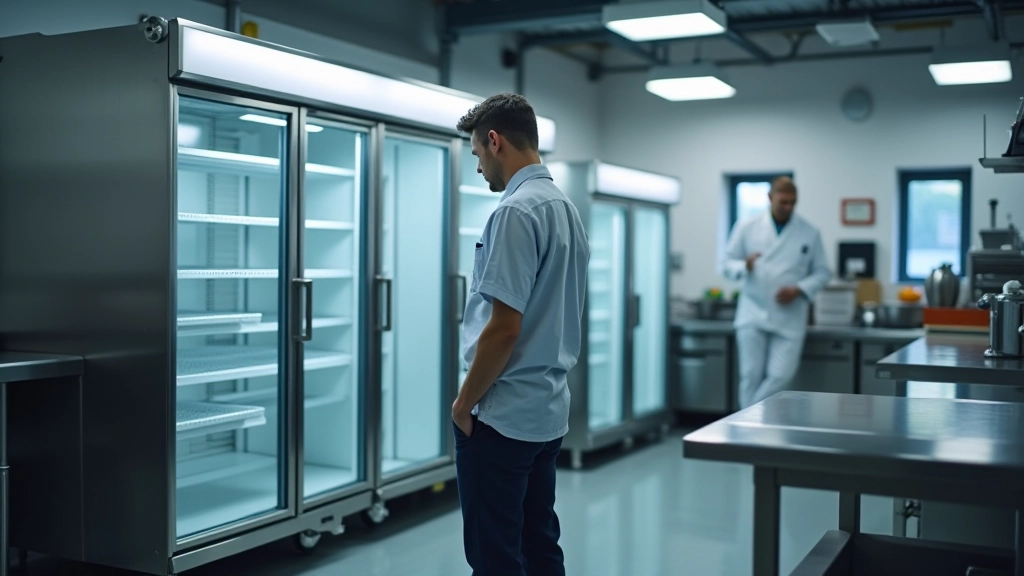
You'll be surprised how much space you actually need. Commercial refrigeration units come in standard sizes — typically reach-in fridges for day-to-day prep and walk-in coolers if you're storing larger volumes. The choice depends on your menu and how far ahead you prep ingredients.
A two-door reach-in refrigerator works for most small operations. If you're prepping three days ahead for weekend events, you'll need more. Walk-in coolers take up significant floor space but solve storage problems completely. Plan your layout before ordering — you can't easily move a walk-in unit once it's installed.
12–15 cubic feet typical. Fits in most kitchens. Daily use for prep and storage.
8x10 ft minimum. Bulk storage for high-volume operations. Requires dedicated space.
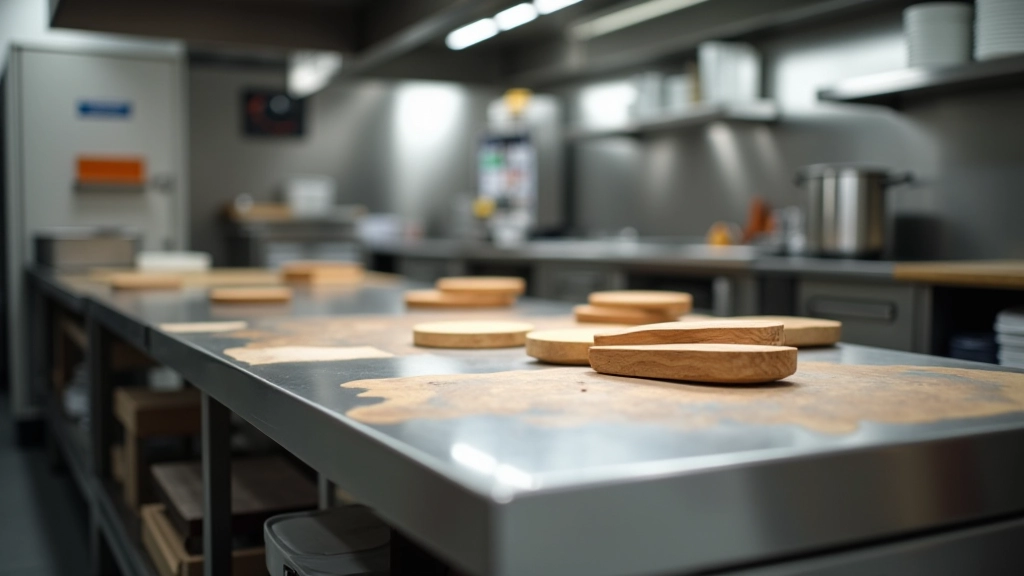
Stainless steel work tables are absolutely essential. You'll need at least one, ideally two — one for raw ingredients and one for prepared items to prevent cross-contamination. These tables don't take up as much space as you'd think, and they're built to last years if you choose quality.
A commercial food slicer speeds up prep dramatically. Whether you're slicing meats, vegetables, or bread, a proper slicer cuts your prep time in half. Get one with a good safety guard — injuries happen when people rush. A stand mixer is helpful too, especially if your menu includes anything baked or requires mixing large quantities.
Don't forget basic hand tools: quality knives, cutting boards, measuring scales, and storage containers. These aren't expensive individually, but they're what your team uses constantly. Buy durable ones — cheap knives require constant sharpening and frustrate your staff.
Equipment placement matters as much as what you buy. Your team will move between storage, prep, cooking, and plating dozens of times per service. A poorly planned layout creates bottlenecks and frustration.
Ingredients arrive, go to storage, then move to prep. Plan this path to minimize walking distance. Your team shouldn't be crossing the kitchen twenty times per service.
Keep prep tables near your refrigerator. Position your range near your plating station. Group related tasks so your team works in zones rather than scattered around.
s">Don't fill every square inch with equipment. Your team needs space to move safely, especially when carrying hot pans or large trays. Plan for at least 4 feet of clearance in major work areas.
You don't have unlimited funds, so prioritize ruthlessly. Here's what actually matters for your starting budget:
Buy the best quality you can afford in the "must buy" category. These items will be used hundreds of times per month. Saving money on a cheap range or small fridge will cost you more in the long run through repairs and limitations on what you can prepare.
Starting small doesn't mean cutting corners on quality. A well-equipped kitchen with reliable equipment runs smoothly. You'll spend less time troubleshooting broken gear and more time focusing on your food and your team.
Here's what we'd recommend: Map out your kitchen space first. Figure out where everything goes. Then invest in your cooking equipment, refrigeration, and work surfaces. Everything else can follow as your business grows. You're not locked into these choices — you can add equipment, swap things out, and refine your setup as you learn what actually works for your operation.
Talk to other caterers in your area. They've already solved these problems and can tell you what they wish they'd known when starting. Every kitchen's different, but the fundamentals stay the same: reliable cooking, proper storage, and efficient prep space. Get those right, and you've built a foundation that'll support your growth.
Our catering equipment category has detailed guides on specific equipment types and suppliers.
Browse Equipment GuidesExplore more guides to help plan your kitchen setup
Guide to thickness grades, finishes, and installation considerations. We've covered what actually matters when selecting work surfaces.

Proper maintenance extends equipment life and keeps everything looking professional. Simple routines that make a real difference.
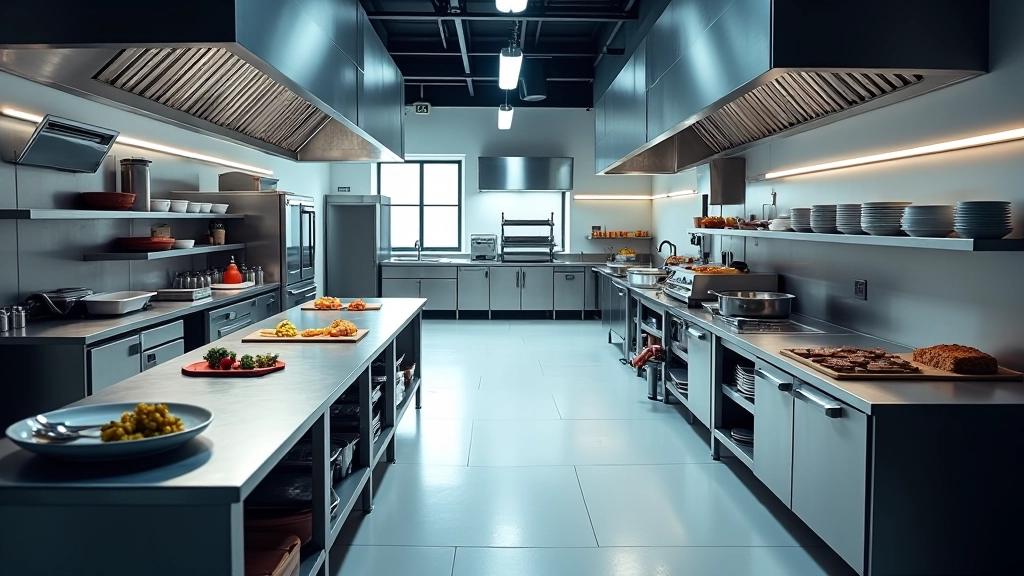
How to arrange equipment for smooth operations. We've looked at traffic patterns, prep zones, and station placement.