

Choosing the Right Stainless Steel Worktops for Your Kitchen
Guide to thickness grades, finishes, and installation considerations. We've covered the essentials for selecting worktops that match your workflow.
Proper maintenance extends equipment life and keeps everything looking professional. Step-by-step cleaning methods that actually work without damaging finishes.
Editorial Team
Written by the quantmoor Editorial Team, focused on practical guidance for commercial kitchen equipment and wholesale sourcing.
Stainless steel's reputation for durability can be misleading. Yes, it resists corrosion better than most metals. But it's not maintenance-free. Daily use in commercial kitchens — water splashes, acidic foods, salt, fingerprints — all take a toll on the finish. We're talking about equipment that needs to perform reliably and look professional, often for years.
The good news? Proper cleaning doesn't require special expertise or expensive products. It's about understanding the grain direction, using the right cloth, and knowing which products won't damage the surface. Most issues we see come from people using the wrong technique, not from the steel itself failing.
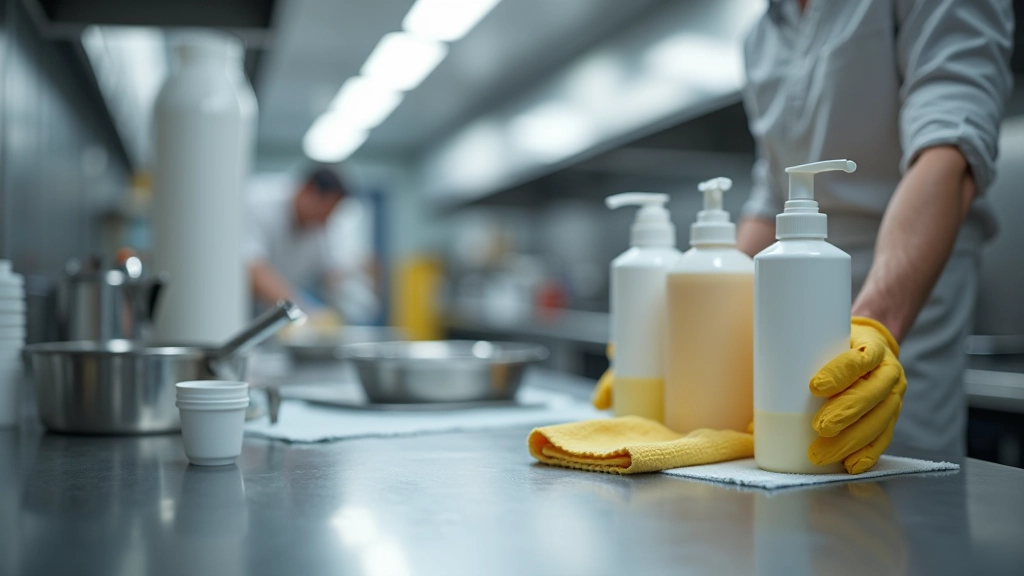
Start with the simple stuff. Most daily cleaning just needs warm water and a soft cloth. That's genuinely it. You're not trying to achieve perfection every single day — you're preventing buildup.
Water and food residue dry quickly on stainless steel. Hot water works better than cold because it evaporates faster. Don't let acidic foods sit — tomato sauce, citrus, vinegar all etch the surface over time.
Water spots are the enemy of that clean look. A quick dry after rinsing prevents them. Microfiber is best because it doesn't scratch and actually lifts away fingerprints. Regular towels leave lint behind.
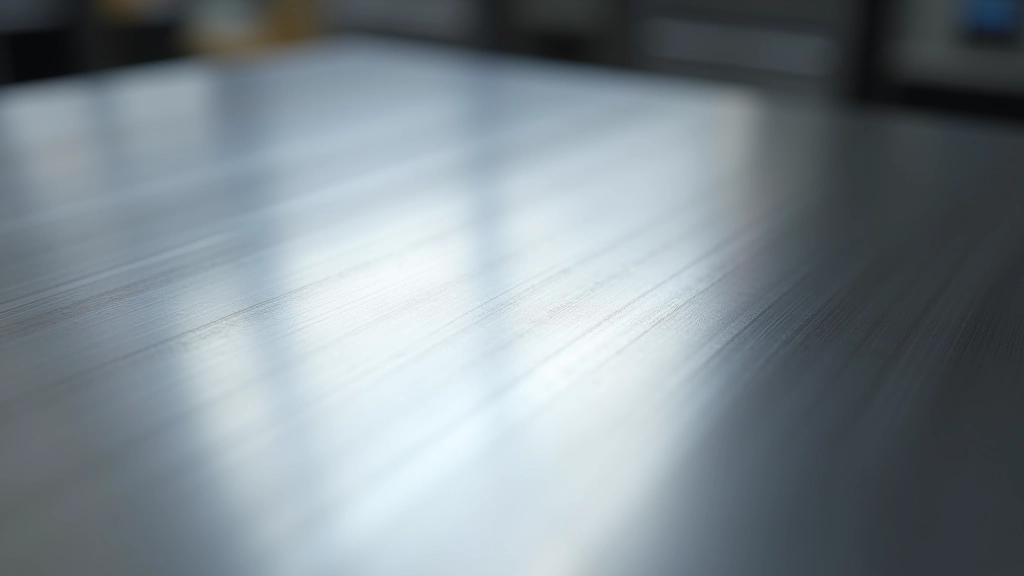
Stainless steel has a directional grain, like wood. Wipe along the grain, never across it. This simple habit prevents the "streaky" look and keeps scratches minimal and less visible.
Once a week, spend 10 minutes giving your stainless steel equipment a proper clean. This prevents buildup that's harder to remove later and keeps everything looking like new.
The process takes about 5-10 minutes depending on the equipment size. Wash with soapy water first to remove food particles and grease. Rinse thoroughly — soap residue shows up as streaks. Then apply a stainless steel cleaner, working along the grain with a soft cloth. A little bit goes a long way. Buff dry with a clean microfiber cloth and you're done.
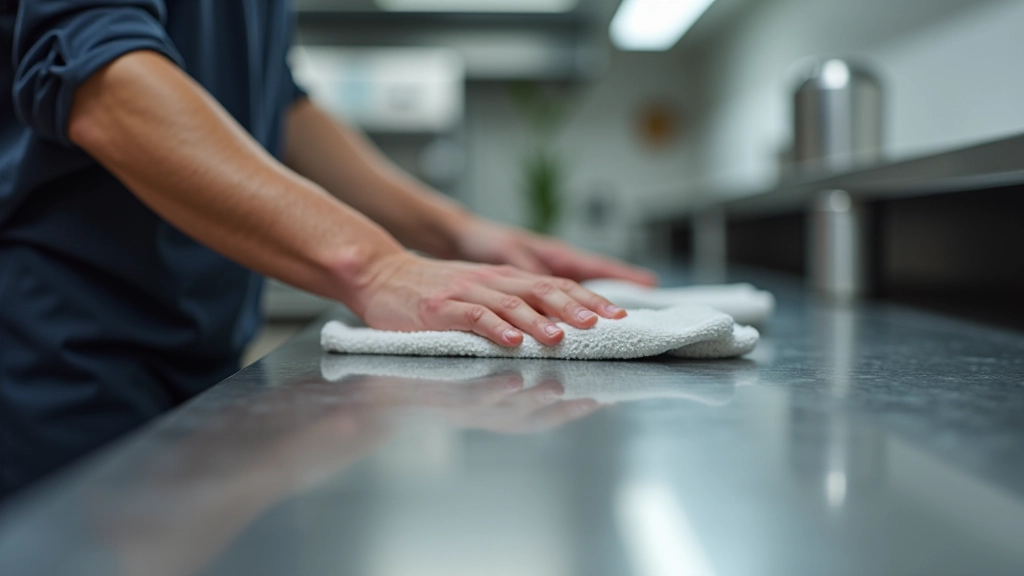
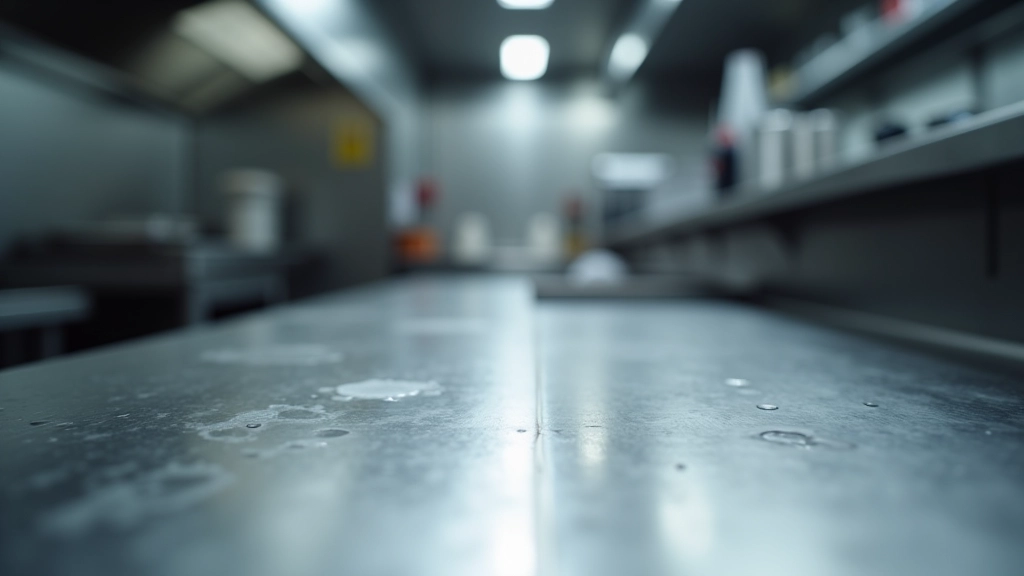
These aren't permanent damage — just minerals left behind from hard water. A 50/50 vinegar and water solution works well. Spray it on, let it sit for 2-3 minutes, then wipe with a cloth along the grain. For stubborn spots, a bit of rubbing alcohol on a cloth does the job without harming the surface.
These show up instantly on polished stainless steel. That's not a defect — it's just the nature of the material. Microfiber cloths are your friend here. They lift oils without leaving residue. If fingerprints keep returning, a light application of stainless steel oil after cleaning helps repel them temporarily.
Minor scratches are inevitable in commercial use. They're usually cosmetic, not structural. Fine scratches (from normal wear) blend in, especially on brushed finishes. For visible scratches, stainless steel polish can help blend them. Never use abrasive pads or steel wool — that's a guaranteed way to damage the surface.
Real rust is rare on quality stainless steel, but it can happen. It usually comes from iron contamination (rust from other sources touching the surface). A cream cleaner with a soft cloth usually removes it. For stubborn rust, a paste of baking soda and water works without damaging the finish.
Chlorine attacks stainless steel and causes corrosion. It's not just harsh — it actually damages the protective layer that makes stainless steel resistant to rust. Use it nowhere near your equipment.
These scratch the surface visibly and permanently. Even if you think you're being gentle, they leave marks. Soft cloths and brushes do everything you need without the damage.
Powders with grit scratch and dull the finish. They're old-school and there's no reason to use them. Cream cleaners designed for stainless steel work better and won't damage anything.
High heat can cause discoloration (heat marks). This is cosmetic, but it's visible. Let equipment cool before aggressive cleaning. Don't pour cold water on hot stainless steel surfaces.
This guide provides general information about stainless steel maintenance based on common industry practices. Specific equipment may have manufacturer recommendations that differ from these suggestions. Always check your equipment's care instructions first. Circumstances vary depending on local water hardness, climate, and specific equipment type. When in doubt, consult your equipment manufacturer's guidance or contact a professional kitchen maintenance service.
Maintaining stainless steel equipment really comes down to three habits: daily rinsing and drying, weekly deep cleaning, and using the right products. That's genuinely all it takes. Equipment that gets proper care doesn't just last longer — it performs better and looks professional throughout its life.
The investment of 10 minutes a week saves you from expensive repairs down the line and keeps your kitchen looking sharp. Start with these fundamentals, adjust based on your specific equipment and water quality, and you'll find a routine that works for your operation.
Explore our range of commercial-grade stainless steel worktops and equipment designed for reliable performance and easy maintenance.
View Our Services
Guide to thickness grades, finishes, and installation considerations. We've covered the essentials for selecting worktops that match your workflow.

What you actually need versus what's nice to have. We've looked at budgets, space constraints, and realistic priorities for new operations.

How to arrange equipment for smooth operations. We've looked at traffic patterns, prep zones, and preventing bottlenecks in your kitchen.